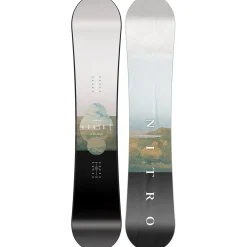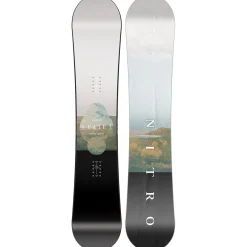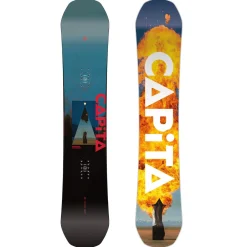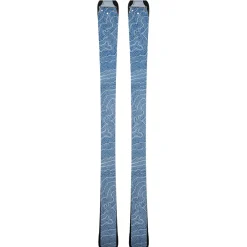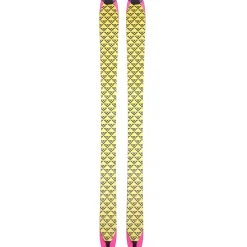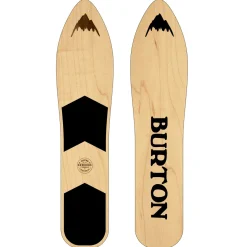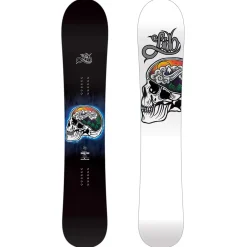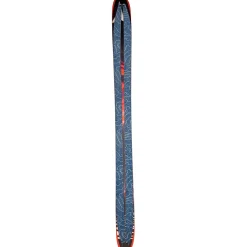
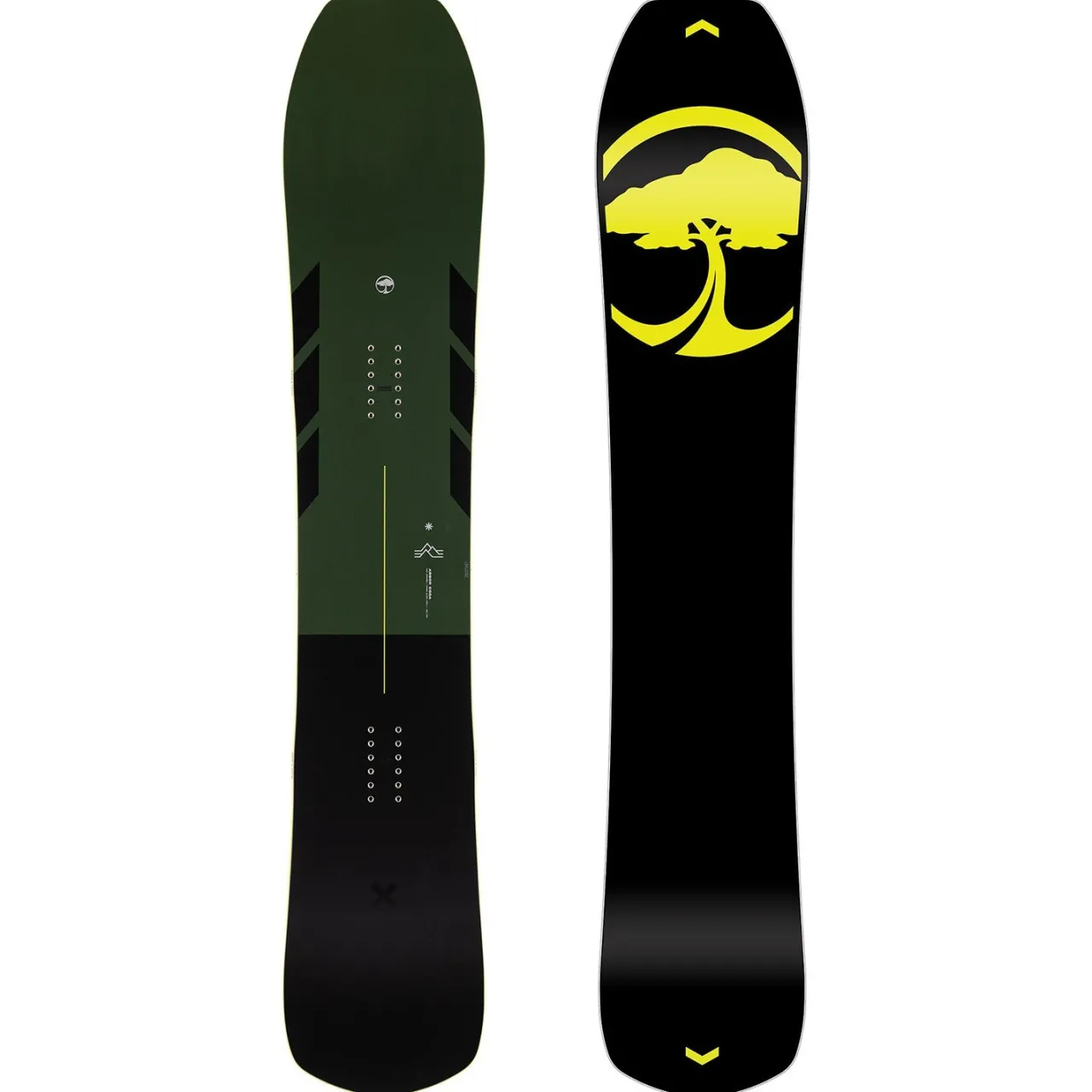
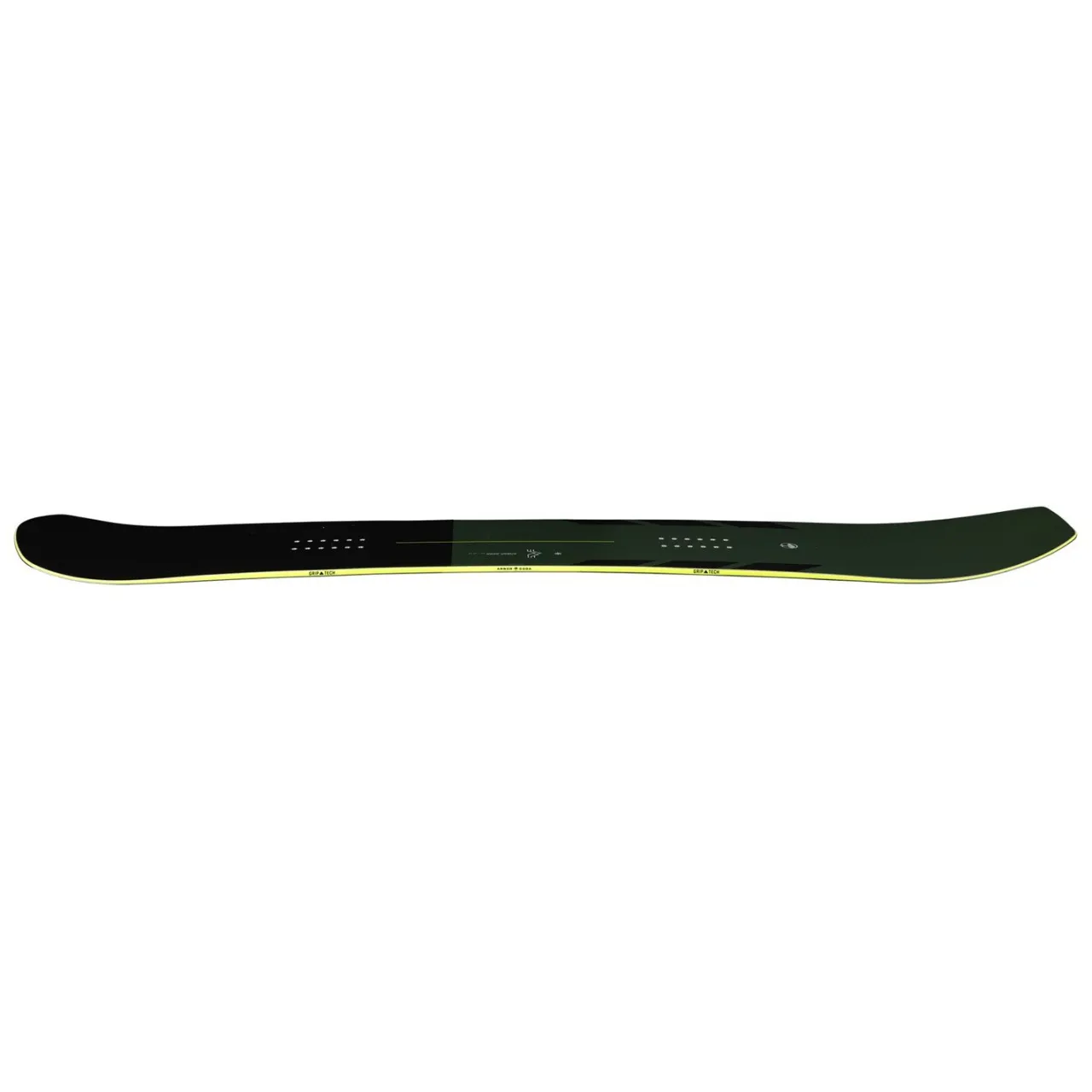
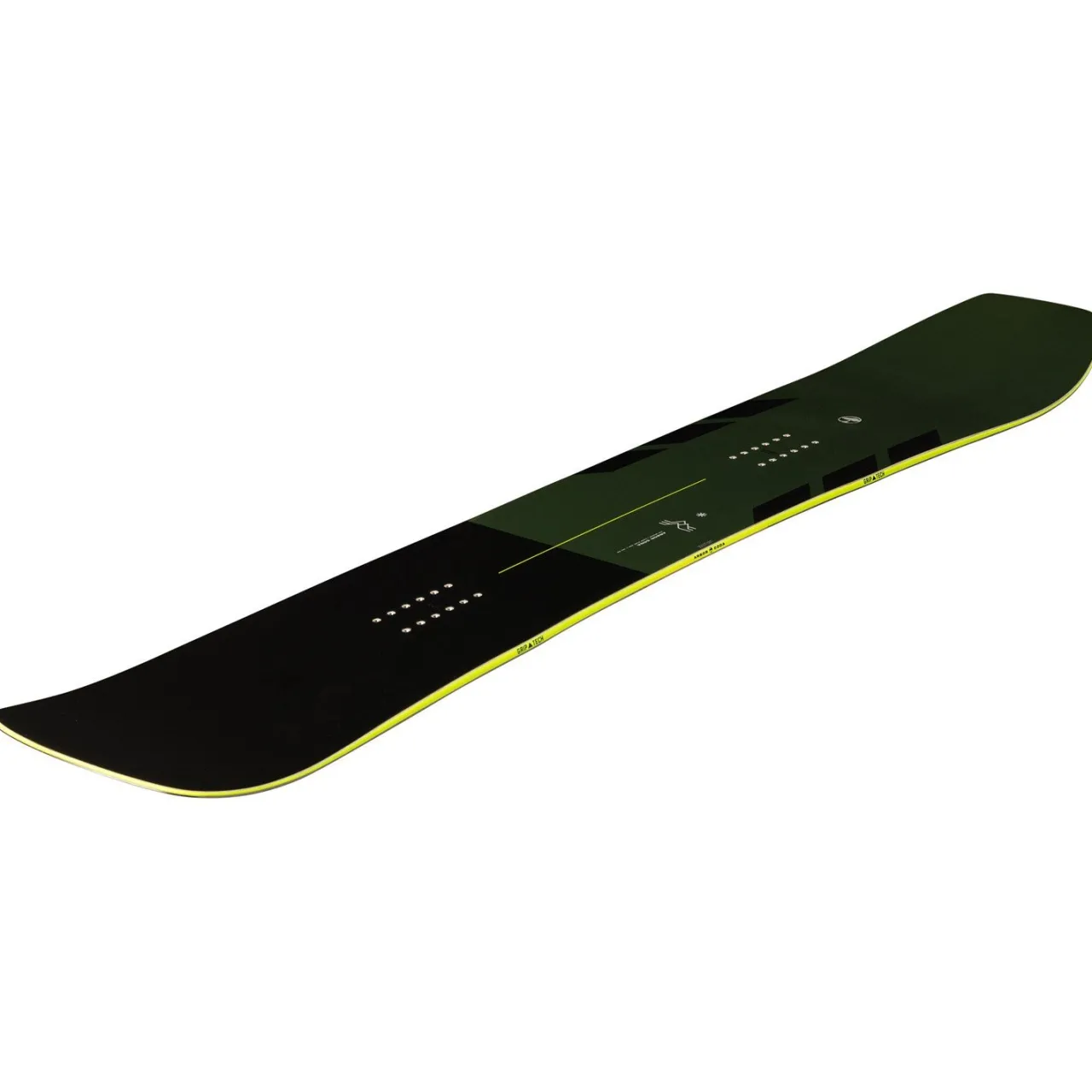
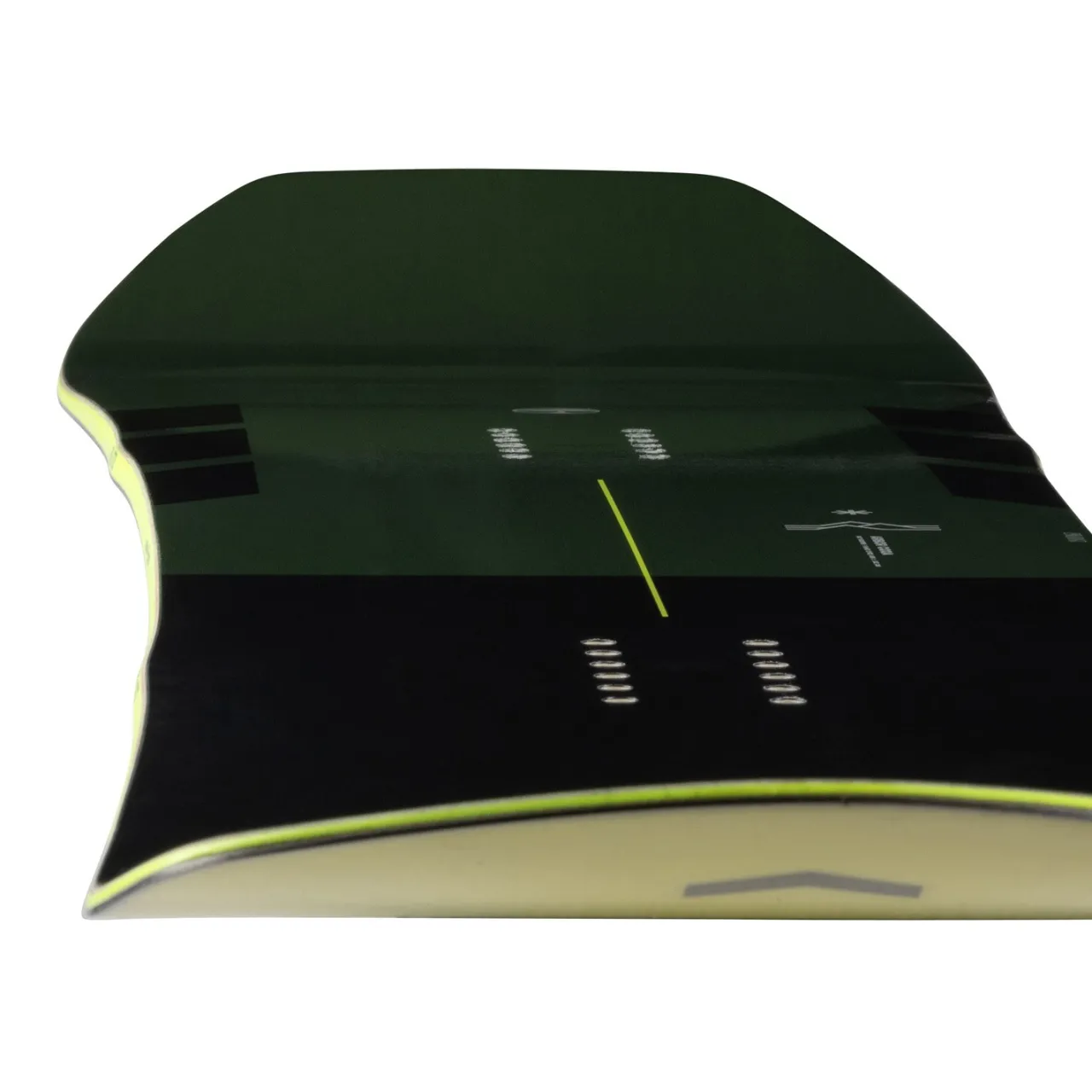
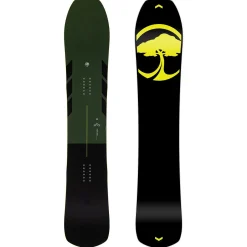
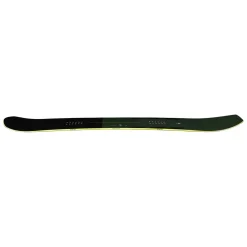
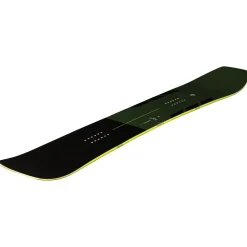
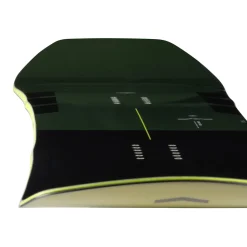
The next evolution of the Arbor Coda Snowboard has arrived, and you’re gonna want to sit down for this one. This all mountain classic has been overhauled in collaboration with Pat Moore with a slightly more directional profile featuring 10mm taper. A wider tip and tail drives razor sharp turns through chop and chunder, supported by a powerful traditional camber profile and Grip Tech contact points for superior edge control in all conditions. The ultimate resort freeride weapon? Pat Moore thinks so, and who are we to disagree?
              Â
Rocker Type
      Â
   System Camber–        If you want a highly responsive ride, crisp on-edge performance, and more pop for carving and ollies – all with smoother camber performance – then System Camber shapes are for you. The camber progressively reduces toward the tip and tail, making the leading edge less aggressive for cleaner on-snow performance.
      Â
Flex
      Â
   Flex Rating–        7 (1 Soft – 10 Stiff)
      Â
Shape
      Â
   Grip-Tech–        A tri-radial sidecut design that is not “blended.” Natural shaping intersections, that in the past were eliminated, have been transformed into heel and toe contact points that provide a direct, more ergonomic way to grip the snow when additional control is needed.
      Â
Core
      Â
   Highland II Core–        A 10 / 20 blend of Poplar and Paulownia for a lighter, more responsive version of the Highland Core
      Â
Laminates
      Â
   Mixed Glassing–        A triax over biax lay-up that’s best for versatility: pow, backcountry, groomers, jumps, and more.
      Â
Sidewalls
      Â
   360° Fully Wrapped Sidewalls–        Eliminates the need for tip fill, while effectively tying the whole snowboard together. A technology that delivers incredibly tight tolerances for improved board life and durability.
      Â
      Â
   Recycled ABS–        When a plastic alternative is unavailable, as in the case of ABS sidewalls, Arbor does its best to opt for a recycled material to improve the sustainability of their products.
      Â
Base
      Â
   Sintered Base–        A higher molecular weight, sintered base that provides added durability and speed.
      Â
Edges
      Â
   Recycled Steel Edges–        Highly durable, recycled steel edges embody Arbor’s key values: quality and sustainability.
      Â
      Â
   Factory Tuned–        Arbor detunes the tip and tail contact points on all of their snowboards for a catch-free ride before they leave the factory.
      Â
Topsheet
      Â
   Real Wood Powerply–        Sustainably harvested, majority coming from borer-kill trees, off-white to light brown, the canvas for Arbor’s hand-dyed designs.
      Â
Additional Features
      Â
   Bio Resin–        Bio-Resin is a replacement for traditional petroleum based resin that doesn’t affect performance or usability. The ingredients that go into it are sourced as co-products or waste products of other industrial processes and are manufactured employing green chemistry techniques that reduce the carbon footprint of the material by up to 40% when compared to its petroleum based equivalent.
      Â
      Â
   Wend Natural Wax–        All Arbor snowboards hit the shop floor ready to ride with Wend Natural Wax.
      Â
      Â
   Sustainable Wood Materials
      Â
      Â
   Leaving It Better
      Â
Binding Compatibility
      Â
   2×4 Fourteen Pack Inserts
      Â
              Â
          Â
      Â
- Â Â Â Â Â Â Â Â Â Â Â Â Â Â Â Â Â Â Â Â Â Â Â Â Â Â Â Â Â Â Â
-    Terrain:    All-Mountain, Freeride                                    All-MountainAll-mountain snowboards are designed for exploring the whole mountain. They are your go-to for a snowboard that will do anything. They feel at home on groomers, powder, park runs and almost anything in between. The vast majority of snowboarders choose all-mountain boards for their great versatility. If you’re just getting started or unsure of exactly what you need, an all-mountain snowboard is a great choice.                    FreerideFreeride snowboards are designed for the rider that spends most of the day off groomed runs and in backcountry terrain. They typically have a stiffer flex and are ridden in longer sizes than freestyle snowboards. Freeride snowboards often feature a directional shape that is designed to perform optimally in one direction.           Â
      Â
      Â
      Â


Reviews
There are no reviews yet.